
Trees
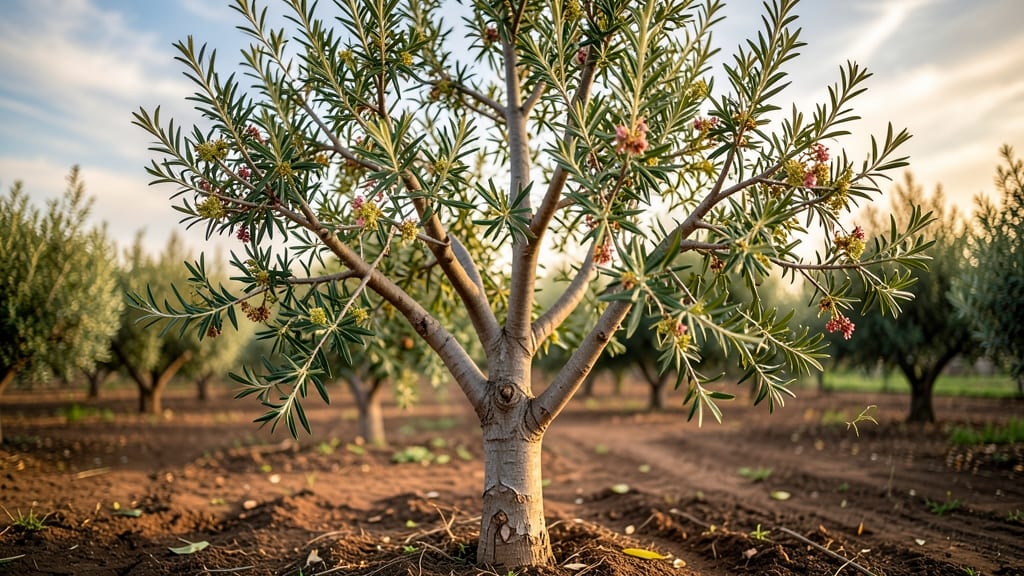
If you’ve ever wondered how tall do pistachio trees grow, you’re not alone—these drought-resistant giants can reach heights of 20 to 40 feet, making them a stunning but space-demanding addition to any landscape. 🌳 While their towering stature might seem intimidating, there are smart ways to manage their growth, especially if you’re working with a small backyard or urban garden.
The good news is that pistachio trees don’t grow overnight. In their first few years, they’re relatively manageable, but without proper care, they can quickly outgrow even the largest yards.
That’s why understanding their growth habits—like how pruning, variety selection, and climate impact their height—is the key to keeping them in check.
Whether you’re dreaming of a homegrown pistachio harvest or just love the idea of a beautiful, low-maintenance tree, this guide will help you discover the best strategies for controlling their size.
From dwarf varieties (though rare) to pruning techniques, we’ll cover everything you need to know to make these trees work for your space—no matter how limited it might be.
Let’s dive into how you can grow a pistachio tree that fits your yard and your lifestyle, so you can enjoy those delicious nuts without sacrificing your outdoor space.


Pistachio tree height: mature size vs. dwarf varieties explained
If you’ve ever dreamed of growing your own pistachio trees but hesitated due to their massive mature size, you’re not alone. Standard pistachio trees can reach 20 to 40 feet tall, making them one of the tallest nut-producing trees for home gardens.
But before you dismiss the idea, let me share how rootstock choices and pruning techniques can help manage their height—even in small spaces.
The average pistachio tree height at maturity is 30 to 35 feet, with some varieties stretching toward 40 feet in ideal conditions. This means they’ll easily tower over your two-story house, requiring careful planning for yard placement and pruning schedules.
However, there’s good news: while true dwarf pistachio varieties don’t exist in commercial cultivation, semi-dwarf rootstocks can keep trees more manageable at 15 to 20 feet tall.
Here’s the key: rootstock selection plays a huge role in height control. For example, grafting pistachio scions onto Peters or UCB1 rootstocks can reduce mature height by 30% compared to standard rootstocks.
This means a tree that would normally reach 35 feet might stay under 25 feet with the right rootstock. Even better, these rootstocks also improve drought tolerance and cold hardiness, making them ideal for home gardeners in USDA Zones 7-10.
🌱
| Type | Mature Height | Growth Rate (First 5 Years) | Rootstock Example | Best For |
|---|---|---|---|---|
| Standard Rootstock | 30–40 ft | 3–5 ft/year | Kerman, Golden Hills | Large orchards, commercial farms |
| Semi-Dwarf Rootstock | 15–25 ft | 2–4 ft/year | Peters, UCB1 | Home gardens, small yards |
| Container-Grown (Young Trees) | 8–12 ft (after 5+ years) | 1–2 ft/year | Any rootstock (pruned aggressively) | Patios, balconies, urban gardens |
Understanding how pistachio trees grow in height over time is crucial for planning. In their first year, expect 2 to 4 feet of growth, while second-year trees can shoot up 5 to 8 feet.
By year three, they’ll reach 10 to 15 feet, and without pruning, they’ll continue climbing toward their 30-foot mature height by year 5 or 6.
One common misconception is that pistachio trees take decades to bear fruit. While this is true for some varieties, dwarf or semi-dwarf rootstocks can produce harvestable nuts in as little as 4–6 years, compared to 8–10 years for standard trees.
This means you could be enjoying your own pistachios sooner than you think, even in a small space!
If you’re working with limited space, pruning during the first 3 years is your best tool for controlling height. Focus on removing upward-growing branches and thinning out dense foliage to encourage a wider, bushier canopy.
This not only limits height but also improves air circulation, reducing the risk of fungal diseases like botrytis.
Another factor that affects height is climate and sunlight exposure. Pistachio trees thrive in full sun (6–8+ hours daily) and hot, dry climates.
In cooler zones (like USDA Zone 7), growth may slow slightly, but with proper winter protection and spring pruning, you can still keep them under control. Conversely, in Zone 10, where frost is rare, trees grow faster and may reach their maximum height sooner.
For those in urban or suburban areas, consider that a 20-foot pistachio tree will cast a 15-foot-wide shade. This means you’ll need to plan for spacing at least 20 feet apart if planting multiple trees.
If space is truly limited, espalier training (a method of pruning to grow trees flat against a wall or fence) can reduce the horizontal and
Pistachio tree height: mature size vs. dwarf varieties explained
If you’ve ever dreamed of growing your own pistachio trees, you’ve likely wondered: how tall do pistachio trees grow? The answer might surprise you—these trees can reach 20 to 40 feet at maturity, making them one of the tallest fruit trees for home gardeners.
But don’t let their height deter you! With the right techniques, you can manage their growth and even grow them in smaller spaces.
Standard pistachio trees (like the Pistacia vera) grow 30 to 40 feet tall, with a spread of 20 to 30 feet. That’s taller than a two-story house! However, their growth rate varies by rootstock and pruning habits.
Young trees grow 2 to 4 feet in their first year, then 5 to 8 feet in year two, and 10 to 15 feet by year three. By year five, they can already tower over your backyard fence.
| Variety | Mature Height | Growth Rate (First 5 Years) | Harvestable Age |
|---|---|---|---|
| Standard Pistachio (Pistacia vera) | 20–40 ft | 2–4 ft/year | 7–10 years |
| Dwarf Varieties (Rare) | 12–20 ft | 1–3 ft/year | 5–8 years |
| Container-Grown (Young Trees) | 6–10 ft (limited) | 1–2 ft/year | Not recommended for harvest |
While dwarf pistachio varieties do exist, they’re rare in home gardening. Most "dwarf" options are simply young trees or those grown in containers, which stay 12 to 20 feet tall. If you’re working with limited space, focus on pruning techniques and rootstock selection to control height.
For example, trees grafted onto Pistacia atlantica rootstock tend to grow slower than those on Pistacia terebinthus.
The good news? Pistachio trees don’t reach their full height overnight. It takes 7 to 10 years for a tree to become harvestable, giving you plenty of time to shape its growth.
During these early years, aggressive pruning can reduce height by up to 30%. Just be patient—rushing pruning can stress the tree and delay fruit production.
If you’re in a small backyard, consider planting near a fence or wall to support espalier training. This method can keep trees under 10 feet while maximizing fruit yield.
Just ensure the tree gets full sun (6+ hours daily) to thrive. Without enough light, growth will stall, and you’ll miss out on those delicious nuts!
Ready to start? Choose a young tree (2–4 feet tall) and begin pruning early to steer its growth. With the right care, you can enjoy homegrown pistachios without sacrificing your backyard space. 🌳