
Plants
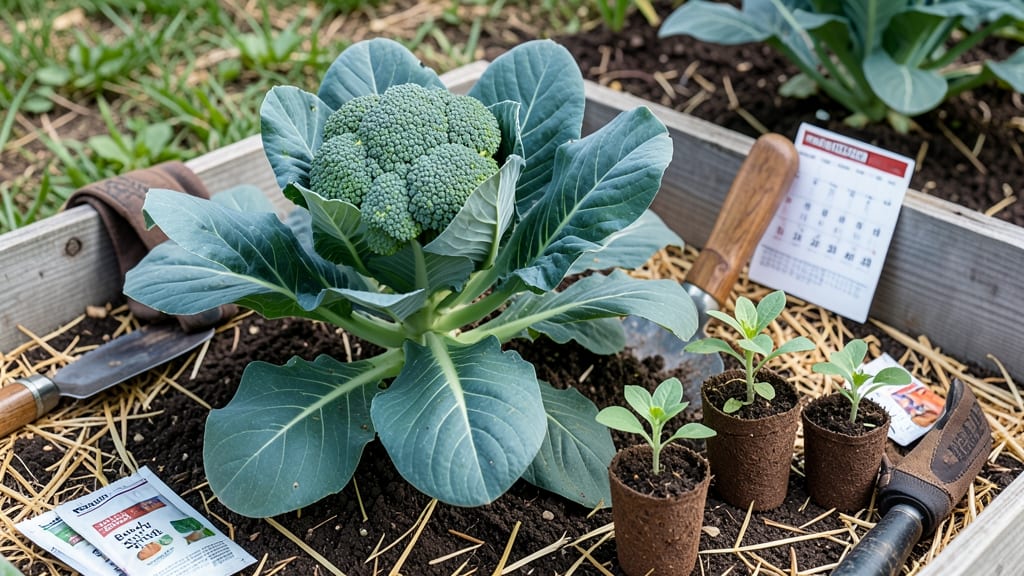
When to plant broccoli in Zone 6 can make or break your harvest—get it wrong, and you’ll end up with bitter, tough heads or worse, no crop at all. This cool-weather 🥦 loves crisp spring mornings and fall breezes, but Zone 6’s unpredictable swings mean timing is everything.
Most gardeners in Zone 6 know spring is the prime window, but did you know late summer plantings can yield just as well? The key is planting 4-6 weeks before your last frost date (usually mid-April) for spring broccoli, or 8-10 weeks before the first frost (mid-October) for fall crops.
Miss these windows, and you’ll battle bolting or stunted growth.
Here’s the game-changer: soil temperature matters more than calendar dates. Broccoli thrives when soil stays between 45°F and 75°F—too hot, and it bolts; too cold, and it struggles. I’ll show you exactly how to time your plantings for peak harvests, whether you’re starting seeds indoors or transplanting seedlings.
Ready to grow bountiful, sweet broccoli without the guesswork? Let’s break down the exact weeks, varieties, and tricks to beat Zone 6’s climate—so you can enjoy homegrown 🥦 from spring to fall.
Best planting windows for broccoli in Zone 6: exact weeks before last frost
Broccoli grows best in cool temperatures, making Zone 6's early spring and late summer the ideal times to plant. For most of Zone 6, the last frost date falls around mid-April, while the first frost typically arrives by mid-October.
These windows create perfect conditions for two harvest seasons: spring and fall.
Timing is critical because broccoli plants bolt (flower prematurely) when exposed to heat over 80°F. Planting too early risks frost damage, while planting too late risks summer heat stress.
The key is working backward from your last frost date to determine the best planting schedule for your specific location.
Most gardeners in Zone 6 plant broccoli in two main windows: 4-6 weeks before the last frost for spring crops and 8-10 weeks before the first frost for fall crops.
This schedule ensures plants mature before extreme heat or cold arrives. For example, if your last frost is April 15, aim to plant in early March for spring harvests.
| Planting Window | Weeks Before Frost | Best Months | Harvest Time |
|---|---|---|---|
| Spring Transplants | 4-6 weeks | Early March - Mid-April | Late May - June |
| Spring Direct Sow | 6-8 weeks | Late February - Early March | June - Early July |
| Fall Transplants | 8-10 weeks | Late July - Early August | October - November |
| Fall Direct Sow | 10-12 weeks | Mid-July | November |
For gardeners in northern Zone 6 (e.g., Chicago, Milwaukee), where last frosts occur later, you can push spring planting to late March. In southern Zone 6 (e.g., Richmond, Nashville), start as early as February to avoid summer heat.
Always check your local USDA frost maps for precise dates.
Succession planting is another pro tip for extending harvests. After your first spring harvest, sow quick-maturing varieties like 'De Cicco' every 2-3 weeks until early summer.
This ensures a steady supply of fresh broccoli before the heat sets in. For fall crops, start with transplants in late July for a late-season harvest.
Soil temperature plays a crucial role in germination. Broccoli seeds need soil temps between 40-85°F to sprout well. Use a soil thermometer to confirm readiness—if temps drop below 40°F, wait until conditions warm up. In Zone 6, this usually means waiting until mid-March for spring planting.
If you're using transplants instead of direct sowing, harden them off for 7-10 days before planting. This helps them adjust to outdoor conditions and reduces transplant shock.
For direct sowing, plant seeds ¼ inch deep and 1 inch apart, then thin seedlings to 12-18 inches apart once they reach 3 inches tall.
Remember, broccoli is a cool-season crop, so it thrives when daytime temps stay below 75°F. By following these exact planting windows, you'll avoid the pitfalls of bolting or poor growth and enjoy a bountiful harvest of tender, flavorful heads.
For a second harvest in fall, plant heat-tolerant varieties like 'Calabrese' in late summer. These varieties handle warmer soil temps better and give you a late-season crop before winter arrives. Just be sure to mulch heavily to protect roots from early frosts.
Best planting windows for broccoli in Zone 6: exact weeks before last frost
Zone 6 gardeners know timing is critical for broccoli success—plant too early, and you risk frost damage or stunted growth. Too late, and summer heat causes bolting (premature flowering). For Zone 6's average last frost date of April 15, aim to plant broccoli 4-6 weeks beforehand for spring harvests.
Broccoli thrives in cool weather (50-75°F), so late summer/fall plantings (August-September) work too. These 8-10 weeks before first frost (October 15) ensure mature heads before cold sets in. Let’s break down the exact windows for head starts, transplants, and succession planting to maximize your harvest.
| Planting Window | Weeks Before Frost | Best For | Harvest Time |
|---|---|---|---|
| Early Spring | 4-6 weeks | Head starts (indoors) | May-June |
| Late Spring | 2-3 weeks | Transplants (after frost) | June-July |
| Late Summer | 8-10 weeks | Fall harvests | October-November |
| Succession Planting | Every 2 weeks | Extended harvests | May-November |
For spring plantings, start seeds indoors 8-10 weeks before last frost (mid-February). Transplant seedlings outdoors 2-3 weeks before frost (early April) when soil reaches 40°F. This gives plants time to establish before summer heat arrives.
Fall plantings require more precision. Seedlings should be in the ground 8-10 weeks before first frost (early August) to mature before cold. Use shade cloth (30-50%) if summer temperatures exceed 80°F to prevent bolting. Varieties like 'De Cicco' tolerate slight heat better than 'Calabrese'.
Pro tip: Succession plant every 2 weeks from March to August for continuous harvests. Space plants 18-24 inches apart to allow airflow and reduce disease risk. Mulch with straw or grass clippings to retain moisture and regulate soil temperature.
Remember, broccoli’s ideal soil temperature is 60-70°F. Use a soil thermometer to monitor—if temps rise above 85°F, provide afternoon shade. With these windows, you’ll enjoy sweet, tender broccoli heads from spring to fall! 🌱