
Plants
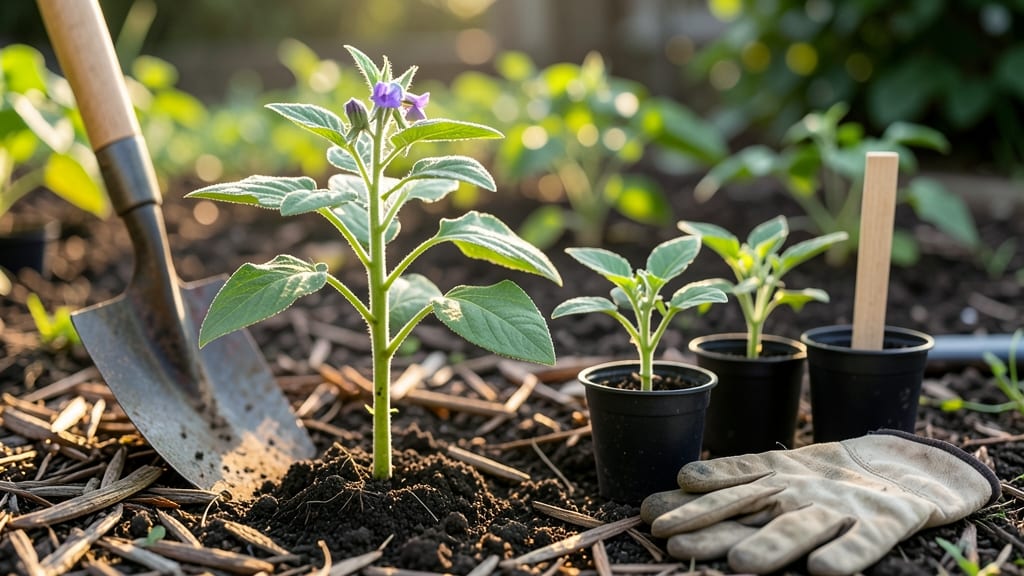
Timing your eggplant planting in California can make the difference between a bountiful harvest and a sad, wilted 🍆. Since the state’s climate ranges from coastal fog to scorching inland valleys, knowing the exact months to plant by region is key to success.
Whether you're in the mild 9a-10b zones or the hotter Central Valley, eggplant thrives when planted after soil warms to 70°F (21°C). Coastal gardeners can start as early as March, while inland growers should wait until April or May to avoid heat stress.
I’ll walk you through the best planting windows, heat-tolerant varieties that flourish in California’s summers, and how to adjust for microclimates. No more guessing—just a foolproof plan for juicy, homegrown eggplants all season long.
Ready to grow eggplants that outperform store-bought? Let’s dive into the exact steps, from seed-starting dates to transplant timing, tailored just for your corner of the Golden State.
Best eggplant planting months in California by climate zone
California’s climate varies wildly—coastal areas stay mild year-round, while inland valleys can hit 100°F (38°C) by summer. Eggplants need warm soil (70°F/21°C) and consistent heat, so timing depends entirely on your region.
Plant too early, and you’ll risk stunted growth or fungal diseases; too late, and your harvest suffers in scorching summer temps.
Most of California falls into USDA Zones 9a-10b, meaning frost is rare, but microclimates still dictate the best window. Coastal gardens (like San Francisco) can start as early as March, while desert areas (like Palm Springs) should wait until April or May to avoid heat stress.
Let’s break it down by zone so you can plant with confidence.
📌 PRO TIP: Use a soil thermometer to confirm your soil is warm enough. Eggplants won’t germinate below 65°F (18°C), and growth stalls under 75°F (24°C).
If you’re in a coastal zone, you can squeeze in two harvests per year: one in spring and another in fall. Start seeds indoors 6–8 weeks before your target planting date (e.g., January–February for spring) to give seedlings a head start.
Inland growers should focus on spring planting only, as summer heat can stress even heat-tolerant varieties.
For container gardening, black pots absorb heat and help warm roots faster. Place them in full sun (6+ hours) and use a self-watering system to prevent drought stress. Containers dry out 3x faster than in-ground beds, so monitor soil moisture daily during heatwaves.
One common mistake? Planting too close to winter. Even in mild zones, eggplants struggle with temperatures below 55°F (13°C). If you’re in Northern California (Zone 8), wait until after Memorial Day to ensure soil warmth.
Pro tip: Mulch with straw to keep roots cool in summer and warm in spring.
Finally, avoid planting in low-lying areas where cold air pools. Eggplants hate chilly nights, even in frost-free zones. Elevate beds or choose south-facing slopes for optimal warmth. With the right timing, your eggplants will thrive from June to November, depending on your region.
🌱 Ready to plant? Grab your soil thermometer and check those temps—your eggplants are waiting for their Golden State summer!
Heat-tolerant eggplant varieties that thrive in California summers
California’s summer heat can turn eggplant into a finicky crop, but the right heat-tolerant varieties make all the difference. Look for types bred to handle 90°F+ temperatures and resist common fungal diseases like powdery mildew. These varieties won’t just survive—they’ll produce heavy yields of glossy, flavorful fruit.
My top picks for Golden State gardens include 'Ichiban', a Japanese heirloom that thrives in heat and produces long, slender fruit perfect for grilling. Another winner is 'Rosa Bianca', a creamy white Italian variety that stays productive even when temps climb.
Both tolerate drought-like conditions once established, making them ideal for inland valleys.
For classic eggplant lovers, 'Black Beauty' remains a staple, but choose disease-resistant strains labeled "DR" to combat California’s humid summers. If you’re growing in coastal fog zones, try 'Fairy Tale', a compact variety that matures quickly and handles cooler evenings better than most.
Pro tip: Always check seed packets for "heat-tolerant" or "disease-resistant" labels. Local nurseries like Baker Creek Heirloom Seeds or Johnny’s Selected Seeds carry excellent California-adapted varieties. For organic options, High Mowing Organic Seeds offers certified organic heat-resistant strains.
When selecting varieties, prioritize those with shiny, thick skins—they handle heat better than thin-skinned types. Avoid long-season varieties like 'Rosa Bianca' if your summer is short (e.g., high desert areas). Instead, opt for 60-70 day varieties like 'Little Finger' for faster harvests.
For container growing in urban areas, choose compact varieties like 'Patio Baby' or 'Fairy Tale'. These stay under 2 feet tall and produce abundantly in 5-gallon pots with proper care. Just ensure your container has drainage holes—eggplants hate soggy roots in summer’s heat.
Remember: The key to success in California’s climate is matching variety to microclimate. Coastal gardeners can plant earlier and later than inland growers, while desert areas need shade cloth during peak afternoon sun.
Start seeds indoors 8-10 weeks before your last frost date (or April 15th for most inland zones) to give plants a head start.